Menstruation Tracker Templates: Organize Your Cycle
Practical Tools for Health Monitoring
For many women and girls, the monthly cycle is a complex biological event that influences energy levels, mood, and physical comfort. While digital apps have their place, there is a distinct advantage to using a physical Menstruation Tracker. It transforms abstract data into a tangible record, allowing for a clearer view of patterns over time. This isn't about complicated medical charts; it's about creating a simple, accessible log that puts you in control of your routine. The included printable templates are designed as a functional self-care note, a quiet space to record what matters without digital distractions or subscription fees.
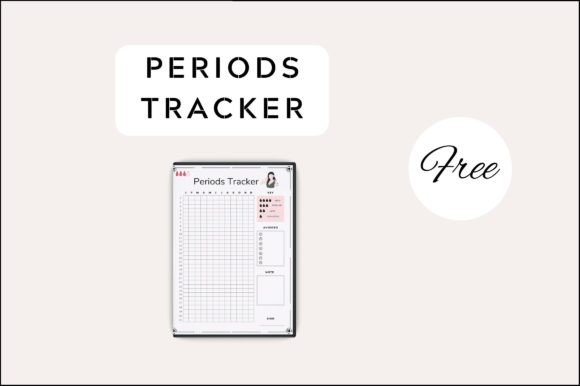
The visual approach of these templates is intentionally clean and uncluttered. They avoid the often overly "clinical" or, conversely, the excessively "cute" aesthetics that can feel out of place for adult users. Instead, the design relies on a modern typography foundation that prioritizes clarity. The layout uses a structured grid, but with enough breathing room to prevent it from feeling rigid. This balance is key; it feels professional enough for a woman managing a career and personal life, yet approachable for a teenager just starting to track her cycle. The overall appeal is one of quiet utility—it’s a tool that does its job without demanding unnecessary attention.
Integrating Tracking into Daily Life
The real value of a dedicated Menstruation Tracker emerges in how seamlessly it integrates into existing routines. For the creative professional or small business owner, time is a precious resource. The pre-built template eliminates the need to design a tracker from scratch each month. You simply download the A4 document, print it, and have an immediate, organized system. This practicality extends to its use as a personal gift. Gifting a set of printed trackers is a thoughtful gesture that provides genuine utility, offering a friend or family member a straightforward method to understand their body better.
From a design perspective, the strength of this resource lies in its adaptability as a design asset. While its primary function is personal health tracking, the clean aesthetic makes it a candidate for other projects. A blogger focusing on wellness or lifestyle could use the template layout as inspiration for a printable freebie for their audience. An entrepreneur creating a line of stationery for women might study its balance of structure and simplicity. The template demonstrates how effective editorial design principles—like clear hierarchy and ample white space—can be applied to functional items, elevating them from mere forms to considered tools.
Design Choices That Enhance Usability
Every element in the tracker is chosen for function. The typography, a harmonious blend of a sans serif font for headings and a highly legible serif font for body text, ensures information is easy to scan and record, even when quickly jotting down a note. This thoughtful font pairing avoids visual fatigue, which is crucial for a document you’ll interact with monthly. The layout guides the eye naturally from the date to the symptoms and notes sections, creating an intuitive visual hierarchy. This isn't about flashy display font choices; it's about reliable readability, which is the cornerstone of any successful brand identity for a tool meant to be used consistently.
When considering how to use these templates, think beyond the printed page. The digital file itself is a starting point. With basic software, you can customize the color variants to match your personal planner or your brand's palette if you're a content creator developing related materials. This flexibility is a significant advantage. It allows the tracker to maintain consistency with other personal documents or to serve as a style guide for a small project. The A4 size is standard, ensuring easy printing at home or at a local print shop, which removes a common barrier to adoption.
Beyond the Basics: A Foundation for Understanding
Ultimately, this Menstruation Tracker is more than a calendar. It’s a framework for observation. By consistently noting the start and end of cycles, physical symptoms, and emotional shifts, you gather data that can lead to meaningful insights. You might notice patterns related to sleep, diet, or stress that were previously invisible. This data-driven approach to self-care empowers you to make informed adjustments to your routine, whether that’s scheduling demanding tasks during higher-energy phases or prioritizing rest when needed. It’s a practical application of modern typography and design thinking applied to personal wellness.
For those in creative fields, this project also serves as a case study in user-centered design. It shows how to create a commercial font or premium font pairing work for a specific, non-commercial audience. It demonstrates how web design principles of clarity and user flow translate to print. Whether you use the tracker as intended or as a source of inspiration for your own logo design, packaging design, or social media graphics, its core lesson is about creating tools that respect the user's time and intelligence. The free download is an invitation to experience that principle firsthand, offering a tangible piece of self-organization that you can hold in your hands.